Home › Masonry Restoration and Historic Preservation
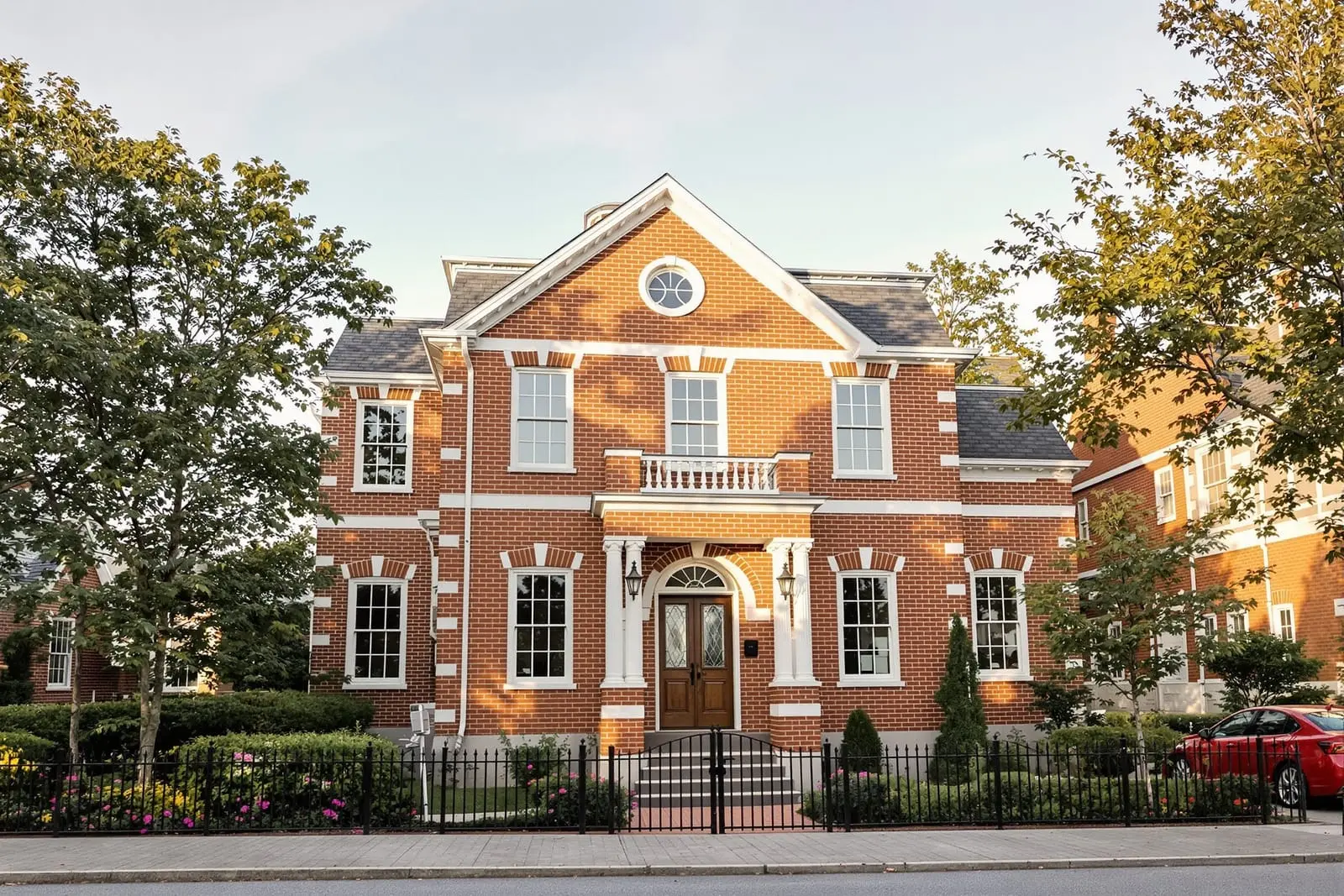
We provide masonry restoration in Orlando, FL for historic and older commercial buildings. Our team matches original materials, repair techniques, and profiles. Restore facades, cornices, and decorative masonry while protecting your structure for the future.
Premier Masonry Orlando provides professional masonry restoration throughout Orlando, FL and the surrounding area. Our licensed, insured crew delivers safe, clean, on-time work with a free estimate before anything begins. Call (321) 364-3299 or request your free quote.
Masonry restoration for Orlando homes and historic buildings
If you own a block, brick, stone, or stucco building in Central Florida, you have probably seen what our heat, storms, and humidity can do. At Premier Masonry Orlando, our masonry restoration and historic preservation work is about stopping that damage early, rebuilding what has failed, and doing it in a way that respects the age and style of your property.
We regularly restore historic homes in College Park, bungalows near Lake Eola, older commercial buildings downtown, and mid‑century block homes all over Orlando. Each building type has its own quirks. Older clay brick softens faster than modern brick, 1950s concrete block tends to crack at window corners, and older stucco often hides moisture damage beneath a thin finish.
Instead of just patching the obvious crack, we track what is actually causing it: settlement, rusting rebar, water intrusion, or impact damage from past storms. Then we design a repair plan that fits how the building was built originally. That is what separates real restoration from cosmetic repair.
When you call Premier Masonry Orlando, we usually start with a site visit that takes 30 to 60 minutes. We look closely at mortar joints, flashing, weep holes, stucco thickness, and previous repairs. We photograph problem areas, note any movement in the structure, and check nearby grading and gutters so we know how water runs around the building during our heavy summer rains.
How professional masonry restoration actually works
True masonry restoration is more than filling joints with fresh mortar. For most Orlando projects, our process at Premier Masonry Orlando includes several clear steps so you know exactly what is happening and why.
1) Condition assessment and documentation: We walk the structure, tap test loose material, measure crack widths, and document existing details like joint profiles, brick patterns, and decorative features. On historic structures, we also look at old photos or city records when available.
2) Material analysis: For many restoration projects, we perform or arrange mortar analysis. Older brick buildings in Orlando often used softer lime based mortar that needs to be matched, not replaced with hard modern mortar that can damage the brick. We compare sand color and grain size, cement or lime content, and overall compressive strength.
3) Cleaning and paint removal when needed: Before repairs, we may clean the masonry using low pressure water washing and very mild detergents. If paint or coatings are peeling, we evaluate whether they must be removed so the wall can breathe again. For historic structures, we avoid harsh acids and high pressure that could scar old brick or stone.
4) Repair and rebuilding: This can include tuckpointing deteriorated joints, stitching cracks with helical bars or pins, resetting loose brick or stone, rebuilding damaged corners, and replacing spalled or broken units. If rusting rebar is causing concrete or stucco to pop off, we expose it, clean it, treat or replace it, then patch with compatible repair materials.
5) Finishing and protection: Once structure and joints are repaired, we address finishes. That might mean a breathable mineral coating, traditional stucco refinishing, or simply leaving cleaned masonry exposed. Where appropriate, we can apply vapor permeable sealers that help resist wind‑driven rain without trapping moisture inside the wall.
Throughout the job we keep you updated with photos and simple explanations. You see not only the finished surface, but what is happening under it.
Historic preservation tailored to Orlando’s climate and codes
Historic preservation in Orlando is about keeping character while quietly upgrading performance. Premier Masonry Orlando has worked on properties in historic districts and understands the balance between authenticity and modern expectations.
The first priority is always to keep original masonry whenever possible. We only replace brick, block, or stone that is truly beyond repair. When we do replace, we source units that are as close as possible in size, texture, and color. For older brick, that can mean reclaimed material or custom blends so the repair does not stand out in a bad way.
Mortar matching is just as important. The wrong mortar can make an old wall look patchy or, worse, cause edges of softer brick to break off. We match color (using blended sands and pigments when needed), joint profile (concave, flush, weathered, or struck), and hardness so the wall moves and breathes as intended.
Central Florida weather plays a big role in how we preserve historic masonry. Afternoon thunderstorms and hurricane season drive water hard against walls, and our heat and humidity slow drying time. To handle this, we check flashing at parapets and roof edges, evaluate window and door sealants, and make sure any protective coatings are breathable, not just waterproof on the surface.
Orlando and Orange County also have specific permitting and inspection requirements for many historic or structurally significant projects. We help you navigate that process, from providing detailed scopes of work with photographs to coordinating inspections so your restoration is compliant as well as beautiful.
Common masonry problems in Orlando and how we fix them
Homeowners and building owners in Orlando often call us after noticing the same set of issues. Understanding what you are seeing helps you talk with us about options and make good decisions.
Cracked brick or block: Thin hairline cracks at mortar joints can result from normal movement and may only need localized tuckpointing. Wider cracks, particularly at corners or above doors and windows, may point to settlement or structural movement. We evaluate whether the foundation, lintels, or tie beams need attention. Repairs might include stitching the crack with stainless steel reinforcement, repointing, and in some cases coordinating with an engineer.
Spalling concrete or stucco: Chunks of surface popping off concrete columns, balconies, or stucco walls often means moisture has reached the reinforcing steel. The rebar rusts, expands, and forces the cover to break. We open affected areas, remove loose material, clean and treat or replace the steel, then rebuild with repair mortar designed for that use. In coastal‑adjacent parts of Orlando that get more wind‑driven rain, this is especially common on older buildings.
Efflorescence and white staining: Those white, powdery deposits on brick or block surfaces are salts carried out by water moving through the wall. Scrubbing them off helps appearance, but the real fix is managing water. We look for failed sealants, poor grading that sends water toward the wall, or missing weep details. Then we clean the stains using gentle, masonry‑safe solutions.
Loose or hollow stucco: When stucco sounds hollow or moves when pressed, it has likely separated from the wall behind it. We test the area, remove what is not bonded, inspect the lath or substrate, then rebuild in layers so the new stucco bonds properly and matches the surrounding texture. Matching the texture is very important on Orlando tract homes where a mismatch is obvious from the street.
Moisture inside walls: In our climate, trapped moisture can lead to interior paint issues, mold, and ongoing masonry deterioration. We focus on eliminating the pathway that moisture uses, not just sealing from the inside. That might mean repairing cracks, updating flashing around penetrations, and sometimes adding weep details that should have been there from the start.
What affects cost, timing, and how to choose the right contractor
Masonry restoration is not a one‑price‑fits‑all service, especially in a city with as many different building ages as Orlando. At Premier Masonry Orlando, we walk you through the main factors that affect cost so there are no surprises.
Scope and accessibility: A small tuckpointing area at ground level costs far less than a multi‑story facade that requires lifts, scaffolding, or swing stages. Buildings on busy streets or tight lots may require special access planning, which can add to the budget.
Material matching and historic details: When a project involves detailed mortar matching, custom brick sourcing, or preserving ornamental stone or stucco features, we spend more time on preparation and testing. That up‑front work protects the character of the building but does factor into price.
Underlying issues: If investigation shows structural movement, deteriorated rebar, or hidden moisture damage, repairs become more involved. We always present options, explain long‑term implications, and try to phase work when budgets require it, rather than pushing for an all‑or‑nothing approach.
Timing and weather: Orlando’s hot, wet summers affect when we schedule certain phases. Mortar and stucco need a reasonable window without heavy rain, and they should not dry too fast in direct sun. We plan work early in the day and monitor forecasts so your repairs cure correctly and last. During hurricane season, we also plan around named storms and secure work areas early.
Before you hire any masonry contractor, ask about their specific restoration and historic preservation experience, not just new construction. Request examples of similar projects in Central Florida, ask how they match mortar and materials, and find out how they protect landscaping and adjacent finishes during cleaning and demolition. With Premier Masonry Orlando, you get that transparency from the first visit, along with a written scope that clearly lists what will be restored, how, and with what materials.
“
Professional masonry restoration and historic preservation, done right the first time, quality materials, honest pricing, and results that last.
Premier Masonry Orlando
Masonry Restoration and Historic Preservation Across Our Service Area